
Childhood Apraxia of Speech (CAS): What Every Parent Needs to Know
Childhood Apraxia of Speech (CAS) is a speech disorder which makes it difficult for children to coordinate and produce their speech sounds properly. It is the result of problems in the brain which are the cause of inaccurate motor control of speech production and is complicated to treat requiring intensive specific treatment. It is crucial for parents to be informed about CAS to foster the development of their child’s speech.
What is CAS?
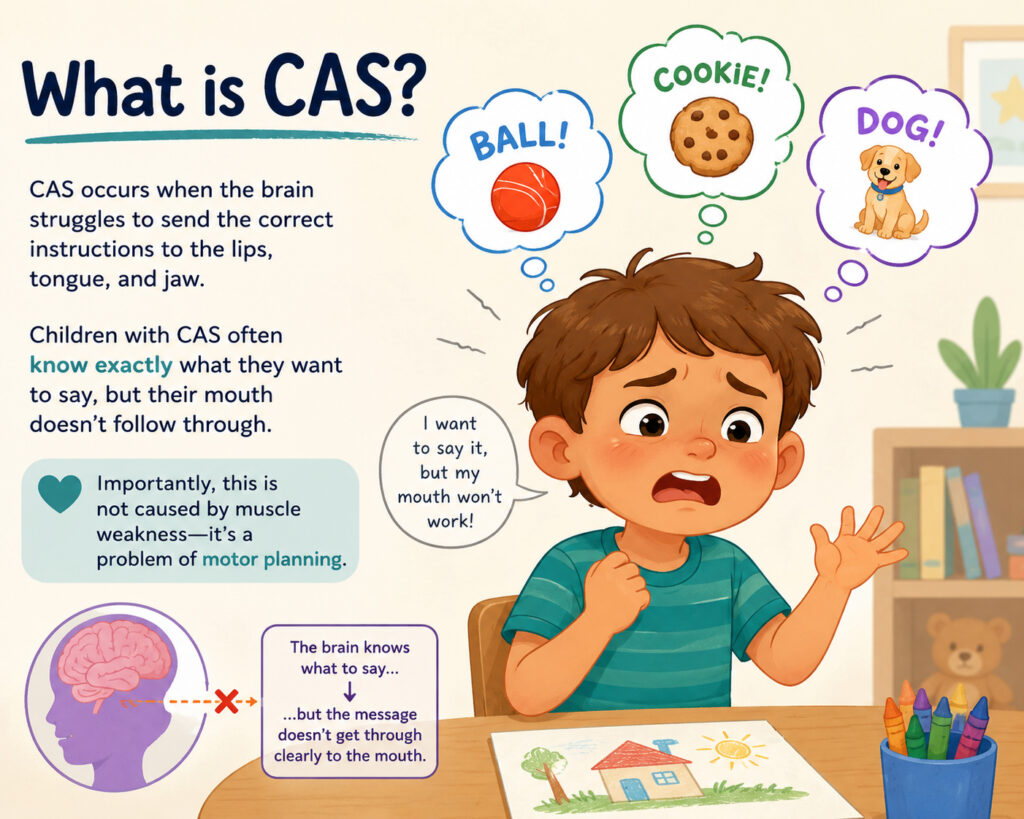
CAS is a condition which involves the inability of the brain to accurately convey its messages to the lips, jaw, and tongue and children with this disorder understand the message that they wish to deliver but are unable to produce the correct speech sounds because of mouth positioning. Difficulties arise with motor planning in terms of speech production rather than muscle weakness.
Parent’s to look for Key Signs
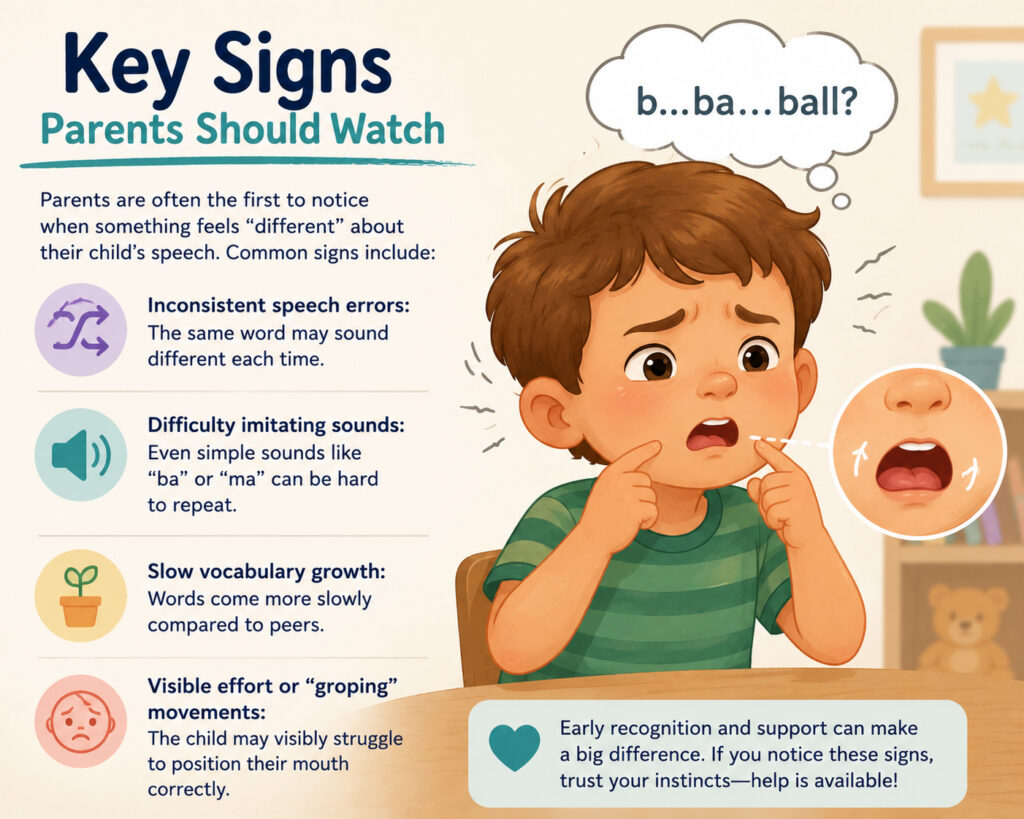
Even before a professional diagnoses their child, parents often have a sense that something is wrong. If a parent has a child diagnosed with CAS, parents need to look out for:
- Inconsistent errors in speech: A word may be pronounced differently several times in a row.
- Poor sound imitation: Even with their simplest sound it will be difficult for a child to produce them.
- Delayed speech and language skills: a child’s skills can lack behind children with the same language.
– ‘Groping’: The mouth clearly strains to move in the correct place to produce the speech sound
The difference between CAS and normal speech delay
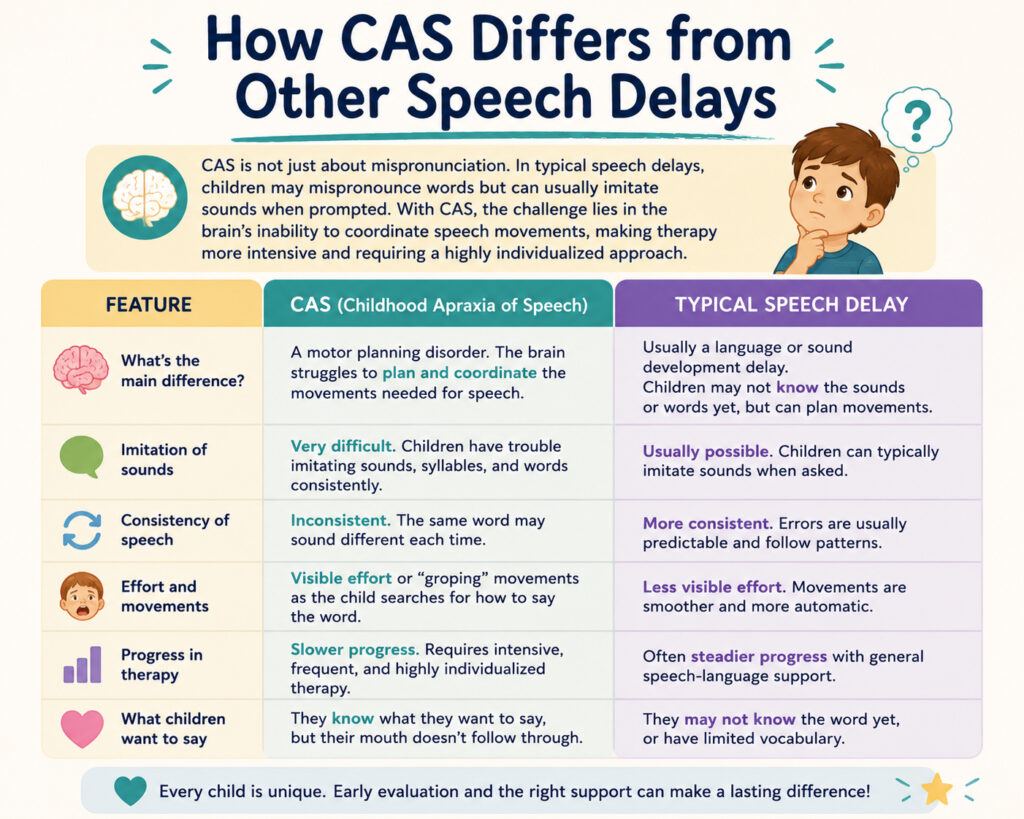
It is important to understand that CAS results in numerous and complex speech errors as opposed to speech delays where typically children may be unable to pronounce words properly but have imitation of sounds as their problem. CAS occurs as a result of the brain being unable to sequence movements for speech, which involves complex intensive treatment.
Why it is important to get it diagnosed early
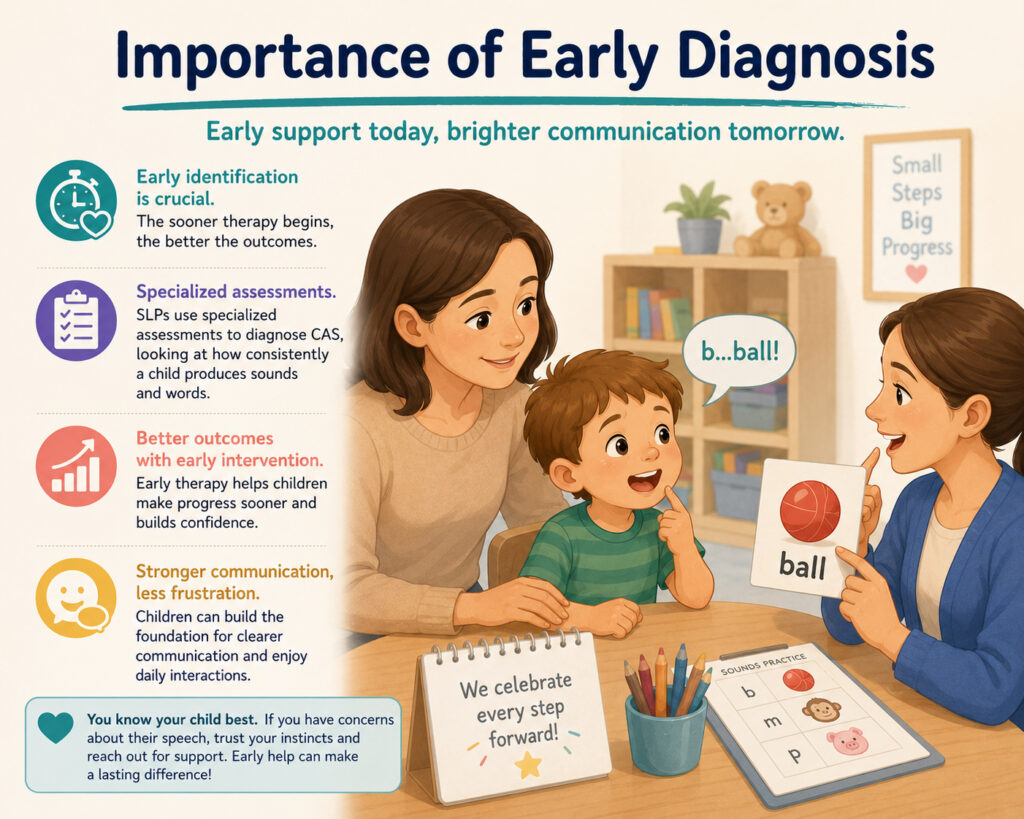
Early diagnosis of a condition are so important as the sooner it is diagnosed the better results are obtained, diagnosis is initially made by a speech language pathologist through their evaluation of the child’s sound and word productions. Early intervention of a child’s communication makes success.
Treating the condition
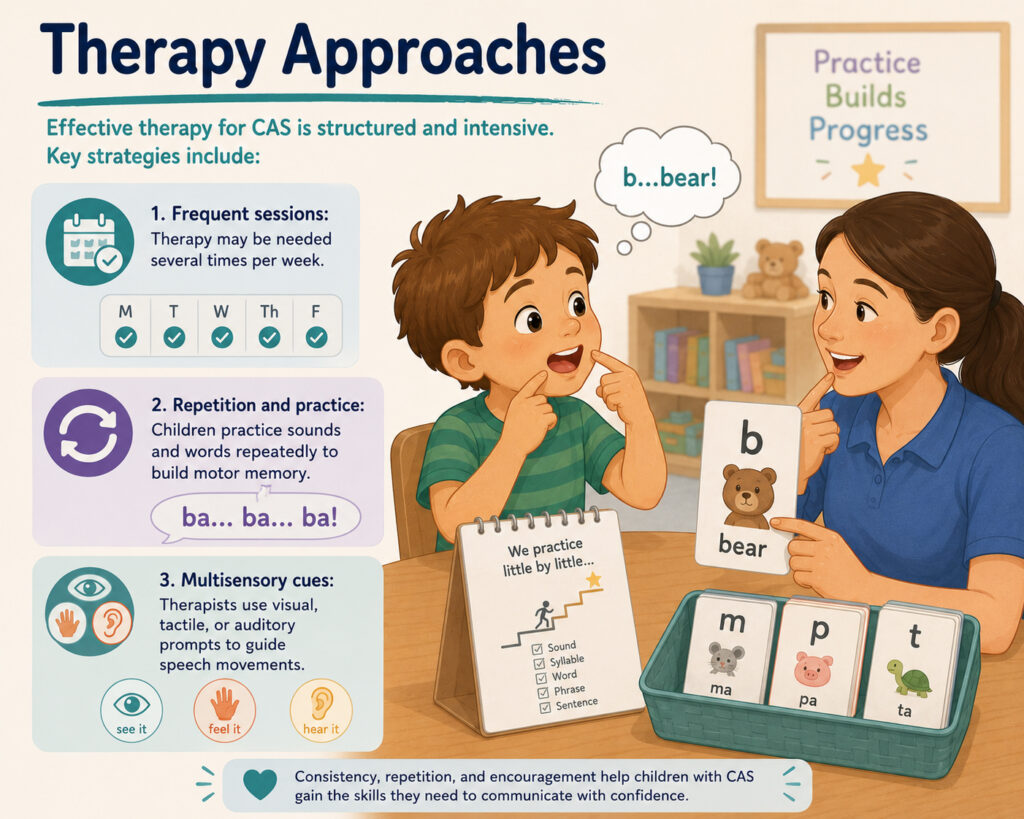
The treatment of CAS necessitates a comprehensive, intensive approach to treatment. The approaches used in the therapy setting are,
– Frequent treatment sessions (more than once weekly)
– Repeated practice and repetition for sounds and motor memory
– Multi-sensory cues involving tactile, visual, and auditory prompts to produce the motor skills required to produce speech
What parents can do at home
Parents can make an important difference at home by,
– Integrating speech production during play and other daily routines (e.g. Mealtimes).
– Integrating speech into playtime, songs, and books
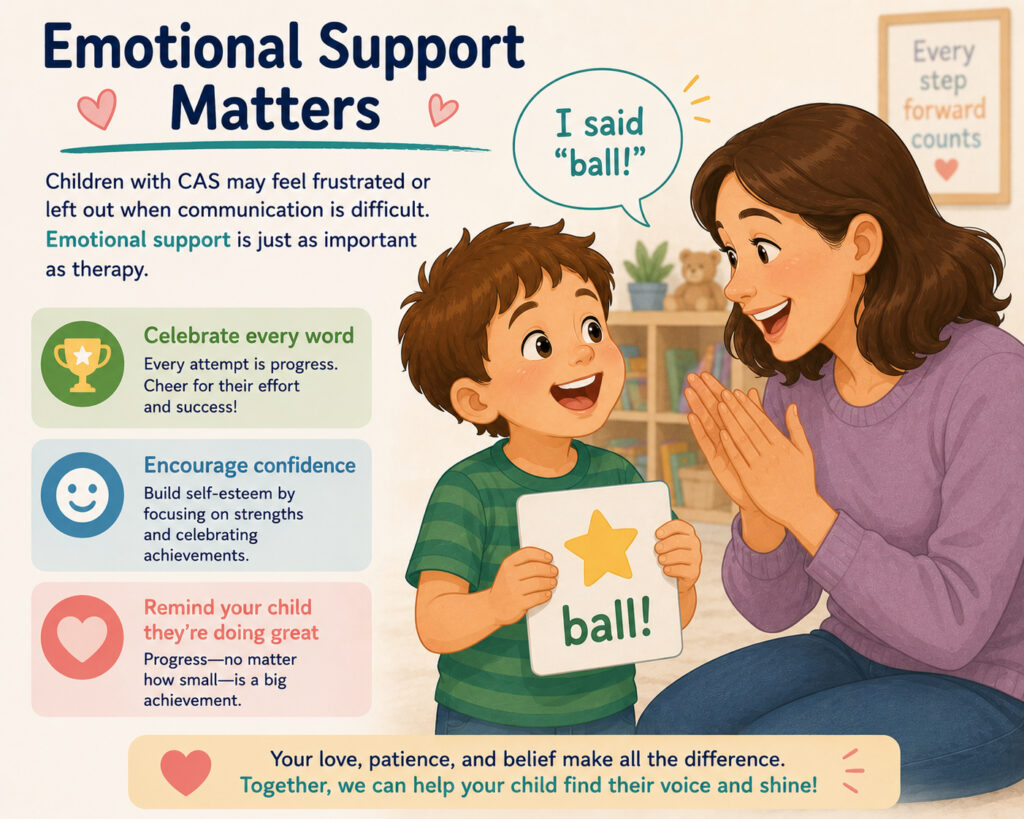
– Praising all successful attempts and encouraging all speech efforts

Emotional Aspects to consider
Children with CAS have considerable difficulties as their communication disorder creates significant barriers to social interaction and while requiring specific motor planning therapy, emotional support is also crucial to the success of therapy. Children should be celebrated when speech is attempted and it should always be acknowledged at any level.
Summary
While childhood apraxia of speech can present a challenging prospect for both the child with this disorder, and his/her parents, children with CAS can experience profound improvements when diagnosed early, treated with a consistent specific therapy plan and have dedicated, parental care and support throughout. Each word that is produced as well as communication interaction is a valuable landmark toward communication success; parental patience, emotional support and dedication toward their child make for the ultimate success.