
How can you diagnose Autism at an early age in children?
The signs of autism in children can be recognized even as early as 12-18 months old by looking for delays in social communication, repeated movements, and sensitivity to different stimuli. Detecting autism early is crucial for receiving early intervention which greatly helps to increase the child’s future success.
How to Diagnose Autism Early in Children
1. Social communication delays Signs include: poor eye contact; lack of response to their own name; not responding to pointing or waving; not sharing toys with parents; not showing objects to others. Typical developmental milestones in children includes shared attention to show objects and gestures to gain adult attention.
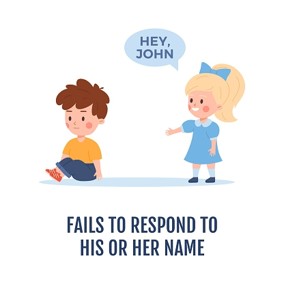
2. Repetitive behavior :Signs include: hand-flapping, rocking, spinning; lining up toys; finger-flicking or body-rocking. These are typically beyond typical childhood behaviors and is to a greater intensity than expected at a given age.
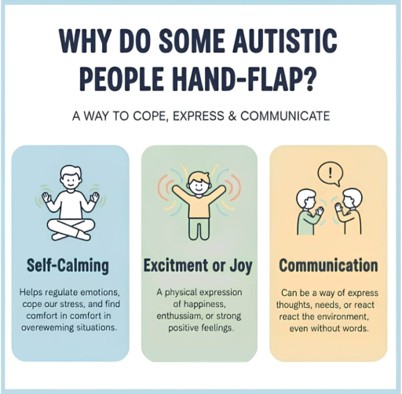
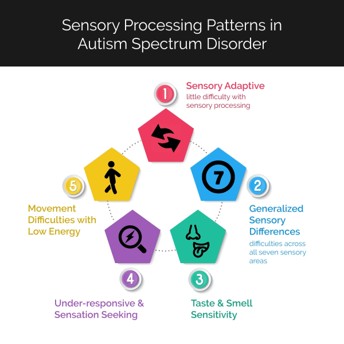
3. Sensory sensitivities: Signs include: over-responsiveness to noise and lights, textures, and odors; covering ears to normal sounds; revulsion to the texture of some fabrics or clothes; hypersensitivity to touch. These could develop before a child is 2 years old.
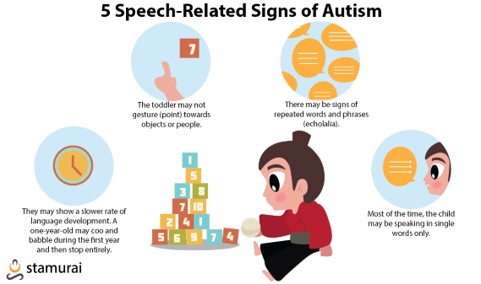
4. Delayed speech development :Signs include: delayed language and speech development; difficulty understanding the words spoken; or speech that does not make sense. Some autistic children have no delay in speech, while others might speak repetitively or in an odd rhythm. Unlike a typical speech delay, with autism, social use of language also plays a role.
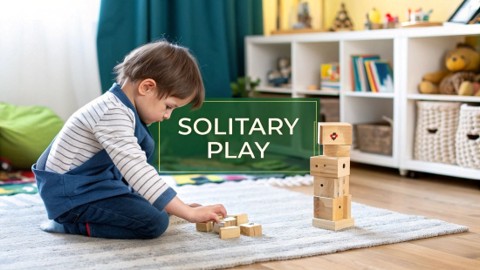
5. Limited social interactions :Signs include: minimal interest in engaging with peers; lack of initiation of social play; difficulty making or keeping friends; minimal social approach. Autistic children have a persistent difficulty with social interaction rather than being simply shy.
6. Screening and assessment:Doctors typically screen children for autism during routine 18- and 24-month checkups. Some use standardized screening tests, such as the Modified Checklist for Autism in Toddlers (M-CHAT). If autism is suspected based on the screening, the child should be referred to specialists for more in-depth evaluations, including developmental pediatricians, child neurologists or child psychologists.

7. Benefits of an early diagnosis: early diagnosis provides access to interventions like speech therapy, occupational therapy and behavioral treatments that focus on improving the child’s communication skills, reducing frustration, increasing engagement in the community and helping with social interactions. The younger the children are diagnosed, the earlier interventions can begin and the greater their impact on long-term development.
Conclusion
Autism is diagnosed with a reasonable degree of certainty by about age two years, although many signs are present as early as six to twelve months. Monitoring early indicators like delays in social interaction, communication, as well as repetitive behaviors, and seeking medical attention promptly, can ensure timely support for the child’s overall well-being.