
Signs & Symptoms Your Child May Need Remedial Therapy for Focus, Memory & Attention
The way each child absorbs knowledge differs from other students, yet when persistent learning challenges disrupt your child’s academic progress and everyday activities, remedial therapy stands as an effective solution. Early identification of these signs enables educators to create pathways which support your child’s academic and social growth. The signs and symptoms will be examined.
Struggling to Read and Write
Children who demonstrate ongoing reading comprehension difficulties together with spelling errors and problems creating coherent sentences should receive remedial assistance. Your child shows reading difficulties together with writing difficulties which might indicate an underlying attention or memory problem.
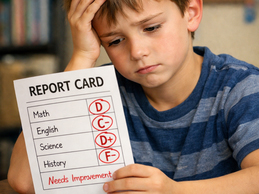
Following Instructions Is a Problem
Do you experience difficulties when helping your child to follow mulch-step instructions because your child tends to forget the tasks you assigned to them which requires you to repeat the instructions? The problem might stem from short term memory difficulties. The listening skills together with the recall abilities, which need improvement, will be developed through remedial therapy.

Very Short Attention Span
Children who have concentration difficulties will experience problems with task completion since they become sidetracked by their surroundings while they also show signs of losing motivation when tasks take too much time. The child will achieve better focus through remedial therapy which helps him concentrate during educational sessions and additional responsibilities.
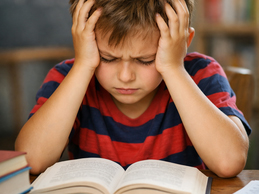
Below-average Academic Performance
You have witnessed your child fail to reach his full educational potential despite his dedicated efforts to learn. This can be an indicator of an underlying learning problem. The remedial therapy program offers different learning strategies which enable your child to perform at his highest possible level.

Forgetting Things
Does your child frequently forget items, homework, and even lessons? Memory challenges may be causing this difficulty. The exercises used in remedial therapy help to build their memory capacity through active training.

Low self-esteem
Children who fall behind their peers in both academics and social skills become prone to experience feelings of isolation from their classmates. They might begin to avoid specific situations, such as group activities, and withdraw from social interactions. The emotional and academic needs of students will receive treatment through remedial therapy.

Speech and Language Difficulties
Your child struggles to express his/her thoughts and, at the same time, he/she faces difficulties understanding spoken words. This situation creates challenges which make it hard for him to build social connections with others. Through therapy, your child will improve his language skills.

Slow processing speed
Does your child need extra time to finish tasks or to respond to questions when compared to his classmates? The condition can signal existing cognitive processing difficulties. The therapy program teaches students about simpler methods which enable them to achieve their objectives without experiencing excessive stress.

Conclusion
The process of identifying these challenges should begin at an early stage. The purpose of remedial therapy functions to create pathways which enable your child to succeed across all life domains. Children reach their maximum potential through the combined support of guidance from their parents.