Autism vs. Speech Delay: you know, figuring out the differences
What is the difference?
A speech delay occurs when a child’s language develops slower or begins later than other children of the same age. They might struggle to pronounce words clearly, use enough words or combine words into sentences. Normally, they can still socially relate to and try to interact with people. Autism, on the other hand, is a developmental disorder that affects communication, behavior, and routines. Children with autism often have speech delays but more other issues may be present, such as not making eye contact, Difficulty relating with others and performing certain actions or patterns.
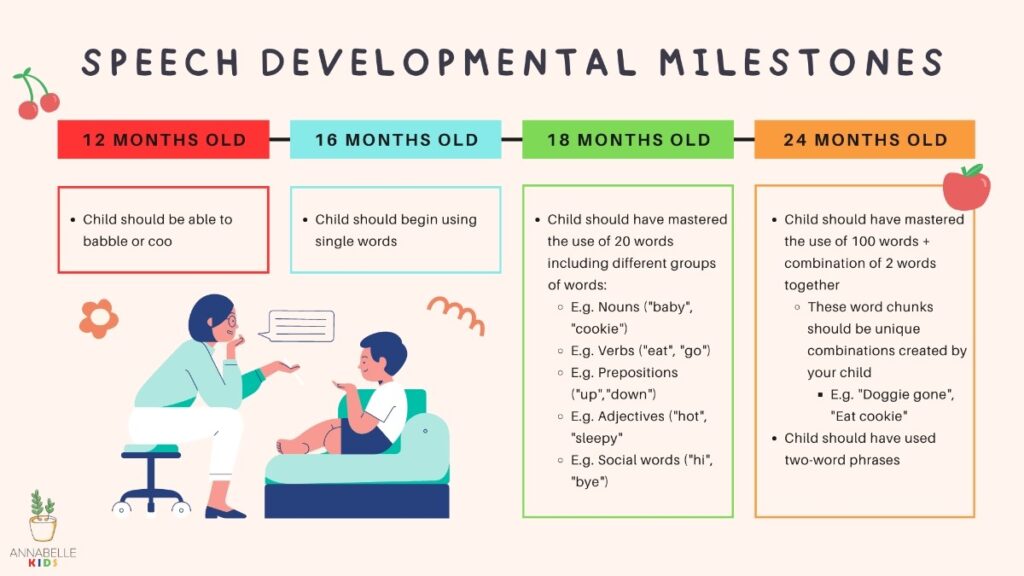
How do they communicate?
A speech delayed child will want to communicate and share information, but the child may not be able to use words but rather pointing gestures or facial expressions. Autistic children may not communicate conventionally. They can appear to avoid eye contact, not respond when their name is called or repetitive words without reason.

Their Social World
A child who is speech delayed will still want to interact with peers and play games, even if they are limited in using verbal language. Children with autism often have a very limited social range. They prefer to play alone, do not seem to understand how other people are feeling, and can actively avoid groups. This is a major indicator!

What else should I look for?
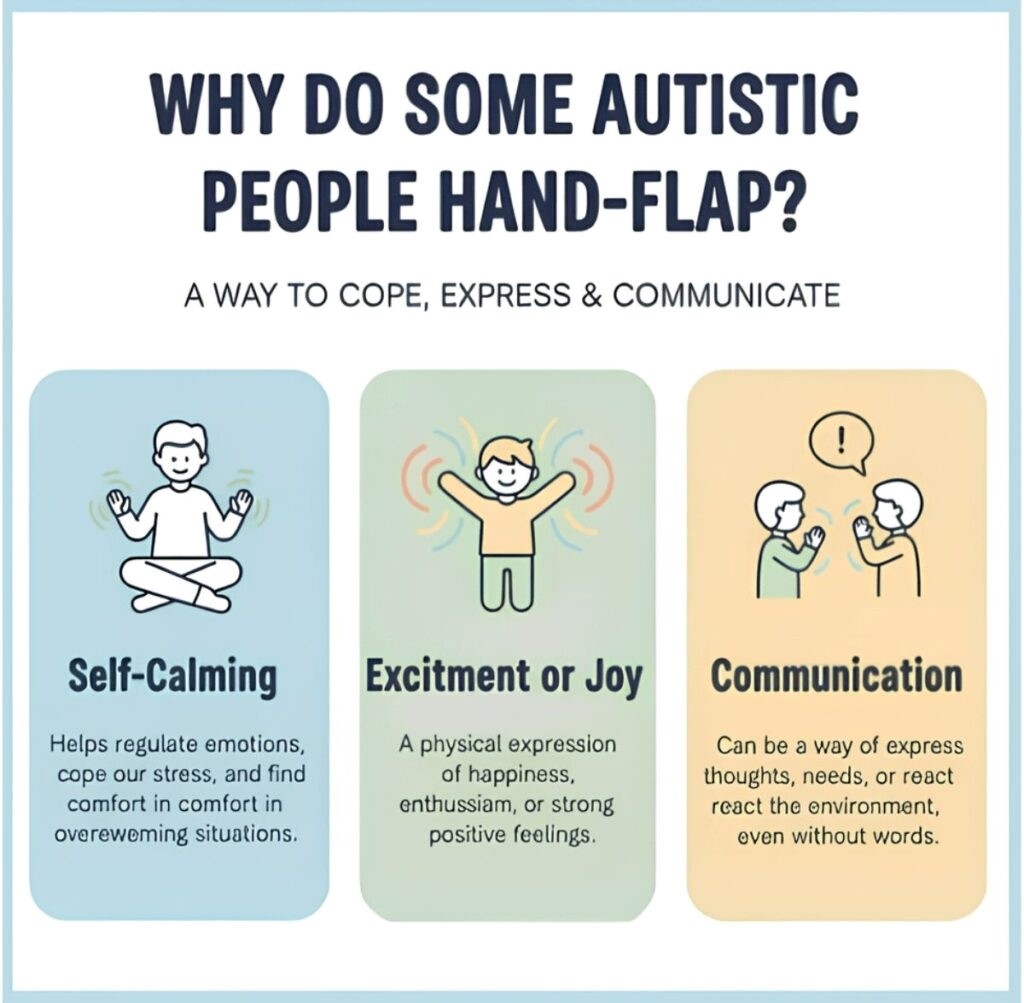
Usually there are few if any other unusual behaviors in speech-delayed children. In contrast, there is typically many additional indicators present in autistic children. Children with autism can demonstrate self-stimulation behaviors like hand-flapping or rocking, have an intense focus on a narrow topic of interest or find certain noises and textures overwhelming (e.g., cupping their ears).
Getting Speech Delay help
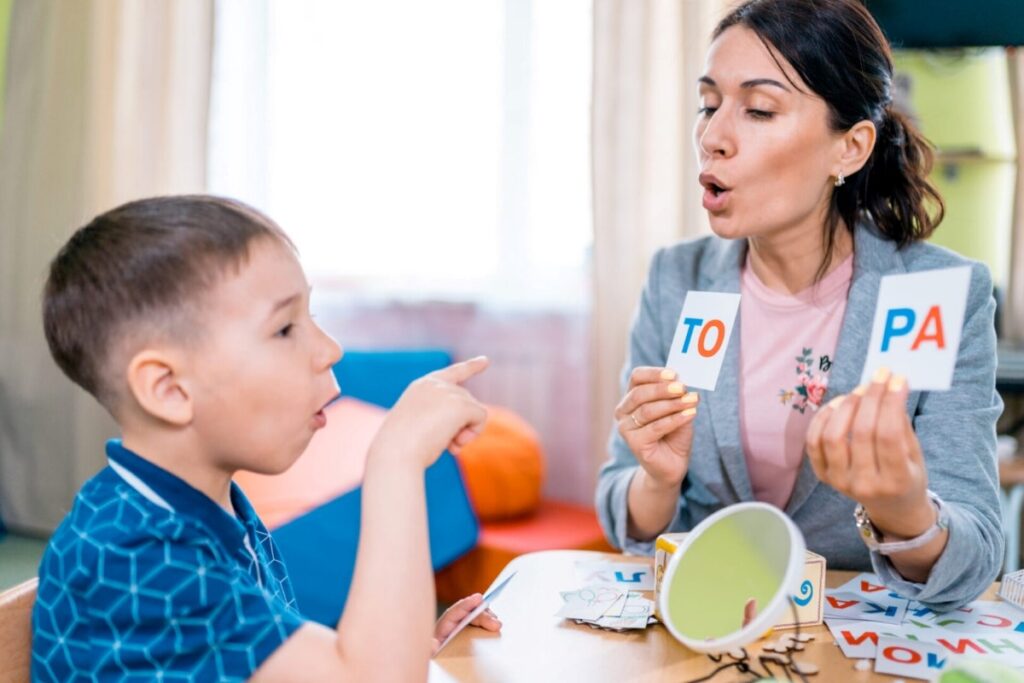
Speech therapy is generally considered the best support option for a child with a speech delay. During speech therapy sessions, children practice correct pronunciation, increase their vocabulary and learn to construct sentences. Parents can help by reading to their child daily, participating in interactive back-and-forth games and gently encouraging the child to use language. The earlier they begin the better, and it is often beneficial for them to start treatment before entering school.
Getting Autism help
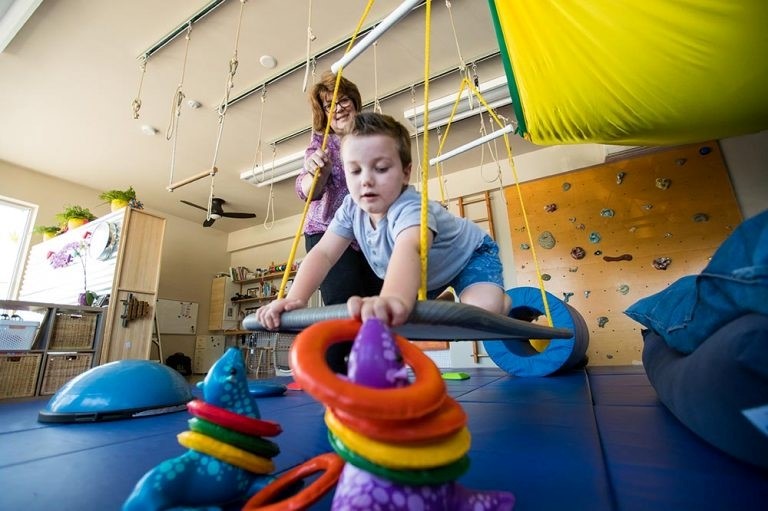
Autism is typically addressed with a comprehensive approach. Speech therapy may target their language development, occupational therapy addresses sensory issues, and behavioral therapy (e.g. ABA) focuses on learning social interaction skills. Family is involved in the treatment process, and children may receive an Individualized Education Program or IEP.
Conclusion
Sensory processing disorder is a learning difference that needs to be noticed early and worked with, so it can be supported and managed over time. Children with SPD can still thrive and make progress emotionally socially, and academically. Parent knowledge, awareness, and steady encouragement matter a lot for their well being.