
Understanding Sensory Processing Disorder in Children
What exactly is sensory processing disorder?
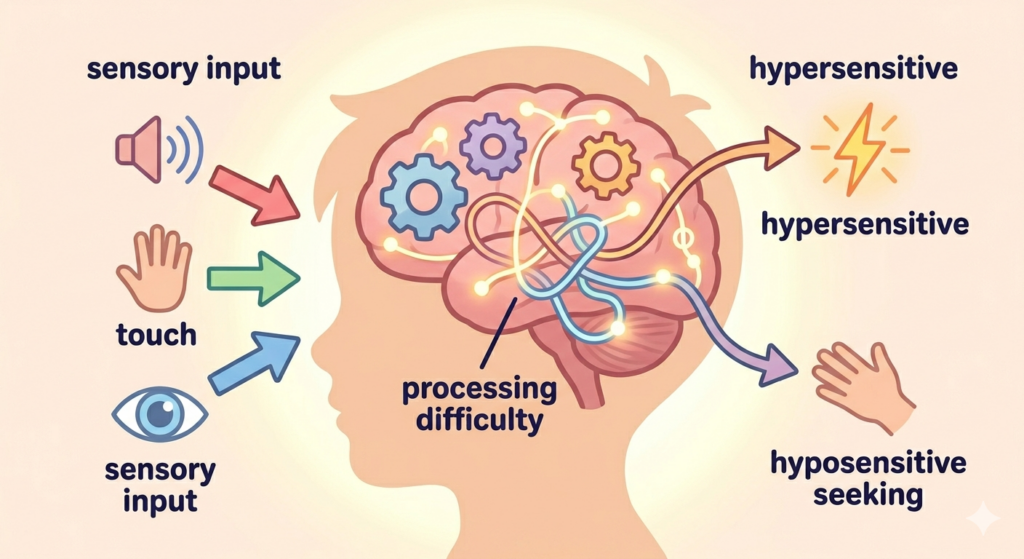
Sensory processing disorder is a neurological condition that changes the way children take in and sort sensory information. Some kids seem over-responsive to everyday stimuli, while others are under-responsive, basically seeking stronger input all the time.
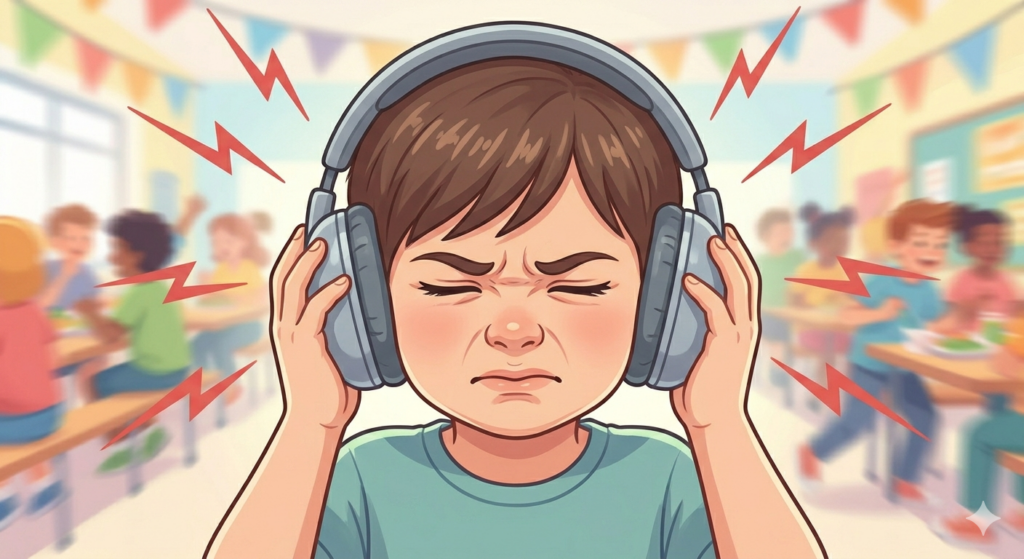
Sound sensitivity
Loud sudden sounds like the school bell ringing, a crowded classroom, or even the roar of a vacuum cleaner can feel downright upsetting.
Avoiding touch
Certain textures might trigger real discomfort. Clothing tags, a wool sweater, or even a simple hug may feel sharply irritating, like it wont stop.

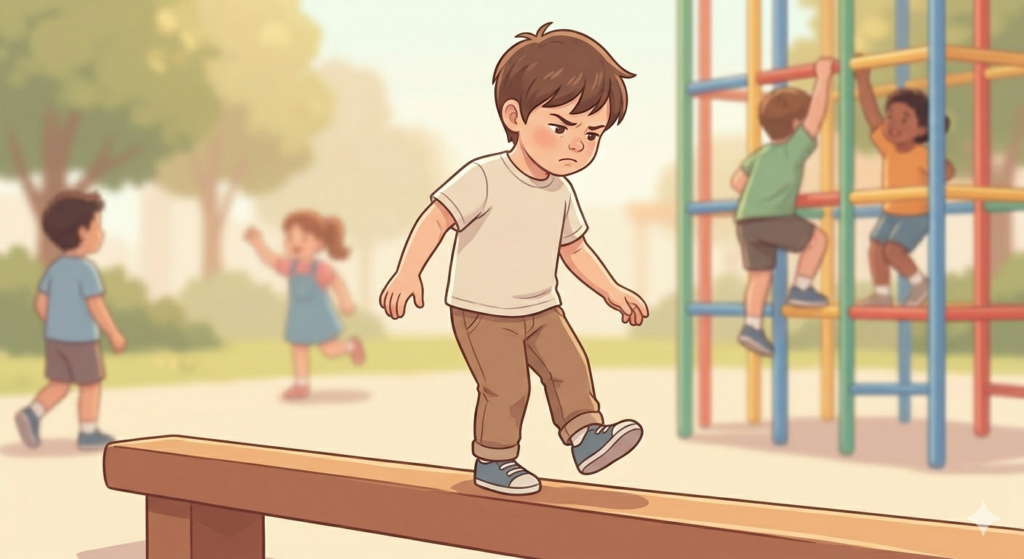
Balance and coordination
Some children have difficulty with motor control , so active games on the playground become harder. They can look clumsy, or they might just avoid physical activities all together.
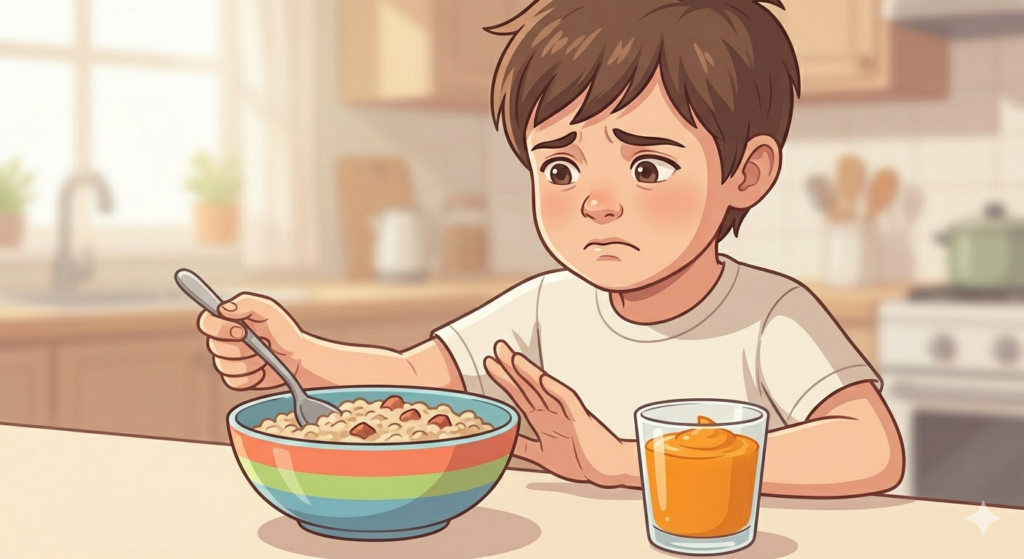
Food textures
Children may get distressed by the feel of certain foods. If a child has SPD, they might refuse mixed textures (like yogurt with fruit) or simply not tolerate crunchier foods.
Difficulty focusing
Too much sensory input at once can make paying attention in class almost impossible. In many cases the child becomes flustered, anxious, and unable to settle.

Emotional and social effects
This condition can also bring emotional impact , including low self-esteem or becoming withdrawn. Sometimes they may feel left out or ostracized during peer activities.

What parents can do
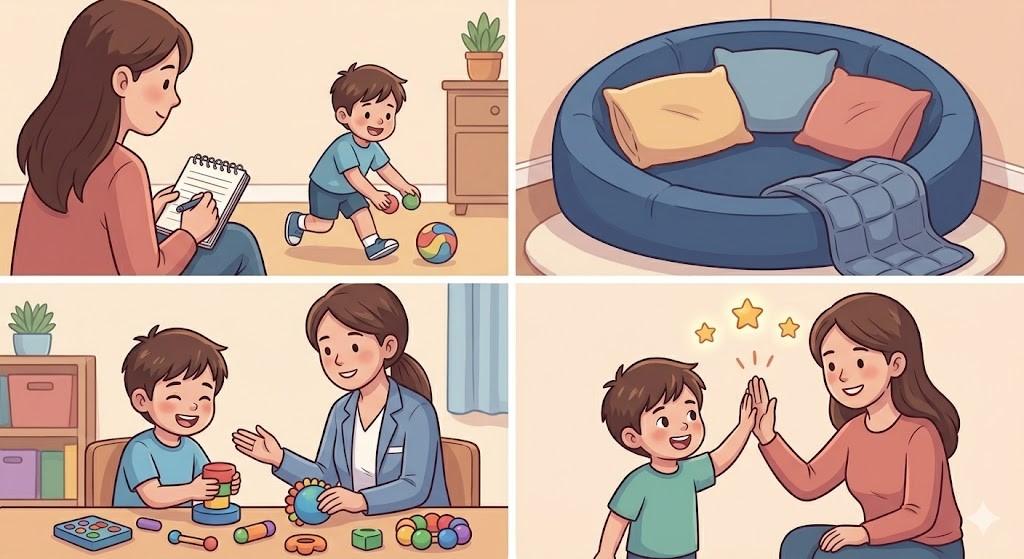
- Observe: watch what triggers irritation and what seems to bring comfort or pleasure.
- Create sensory friendly spaces; think of a cozy den with soft materials, quiet tasks, or a calm room that is sensory friendly so life feels more manageable.
- Team up with a therapist. Occupational therapists, or OTs, can provide sensory integration therapy and sensory diet strategies.
- Strengthen the child’s positives. Notice small wins , then pair them with a motivating activity.
- Talk with the child’s teacher, and make sure there is a quiet space available, or that the child can step away from certain sensory moments when it makes sense.

Conclusion
Sensory processing disorder is a learning difference that needs to be noticed early and worked with, so it can be supported and managed over time. Children with SPD can still thrive and make progress emotionally socially, and academically. Parent knowledge, awareness, and steady encouragement matter a lot for their well being.